
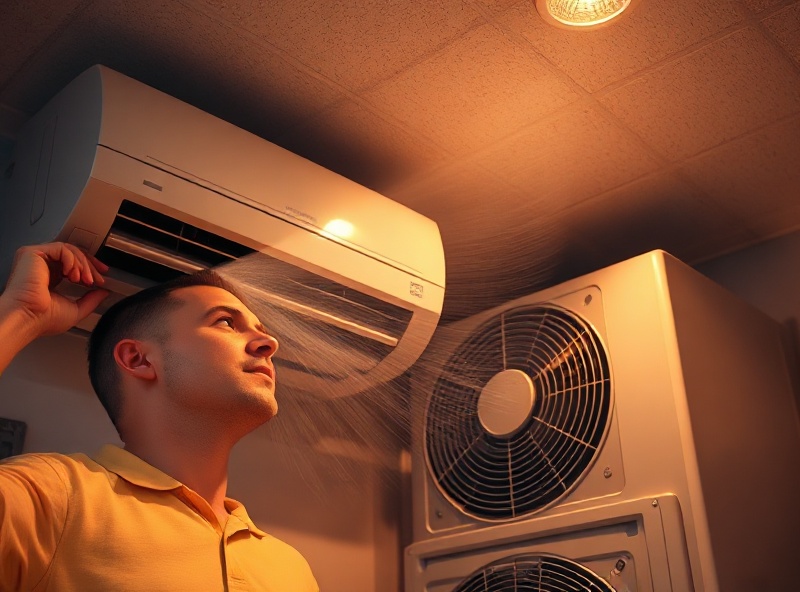
Your air conditioner or heat pump should keep your home cool and comfortable all summer long. But if your system isn't performing as it should, the problem might be a refrigerant leak.
A refrigerant leak in your AC or heat pump is a serious issue that requires professional attention. Unlike a simple maintenance problem, a refrigerant leak prevents your system from operating efficiently and can lead to costly compressor damage if left unaddressed.
Common Signs of a Refrigerant Leak
If your air conditioning system is showing any of these warning signs, it may have a refrigerant leak. Don't ignore these indicators — early detection can prevent expensive damage.
1. AC Blowing Warm Air
This is one of the most obvious signs of a refrigerant leak. Your AC compressor uses refrigerant to extract heat from your indoor air and transfer it outside. Without enough refrigerant, your system can't cool your home effectively.
If you notice your AC is running but only producing warm or slightly cool air, a refrigerant leak is a likely culprit. Don't assume your system just needs more refrigerant — adding refrigerant without fixing the leak is temporary and costly.
2. Ice Forming on Refrigerant Lines
If you notice frost or ice buildup on the refrigerant lines inside your home or on your outdoor condenser unit, this indicates a problem with your refrigerant charge or flow.
Low refrigerant causes the pressure in your system to drop, which lowers the temperature of the evaporator coil below the freezing point. This creates frost that can eventually prevent your AC from operating at all.
3. Hissing Sounds Near Indoor or Outdoor Unit
A hissing or bubbling sound coming from your AC unit is often a telltale sign of a refrigerant leak. You may hear this sound near your indoor evaporator coil or your outdoor condenser unit.
The hissing is caused by refrigerant escaping under pressure from a crack or hole in the refrigerant lines, coils, or connections. If you hear this sound, have your system inspected immediately.
4. Rising Electric Bills
A refrigerant leak forces your air conditioning system to work harder and run longer to try to cool your home. This increased workload consumes significantly more electricity.
If you notice a sudden spike in your energy bills during cooling season, and your thermostat settings haven't changed, a refrigerant leak could be the reason. The longer your system runs without proper refrigerant charge, the higher your bills will climb.
5. System Running Constantly
In normal operation, your AC cycles on and off to maintain your desired temperature. But if your system is running continuously without reaching your setpoint, something is wrong.
A refrigerant leak means your system can never achieve the proper cooling capacity, so it runs non-stop trying (and failing) to reach your thermostat setting. This constant operation is hard on your equipment and expensive to run.
6. Reduced Cooling Performance
Sometimes the signs are subtle. Your AC might still cool your home, but not as effectively as it used to. Rooms cool slower, temperature consistency is poor, or you need to set the thermostat lower than usual to feel comfortable.
This gradual decline in performance is often the first indication of a slow refrigerant leak. The longer you wait, the worse it gets — and the more expensive the repair becomes.
Why Professional Leak Detection Matters
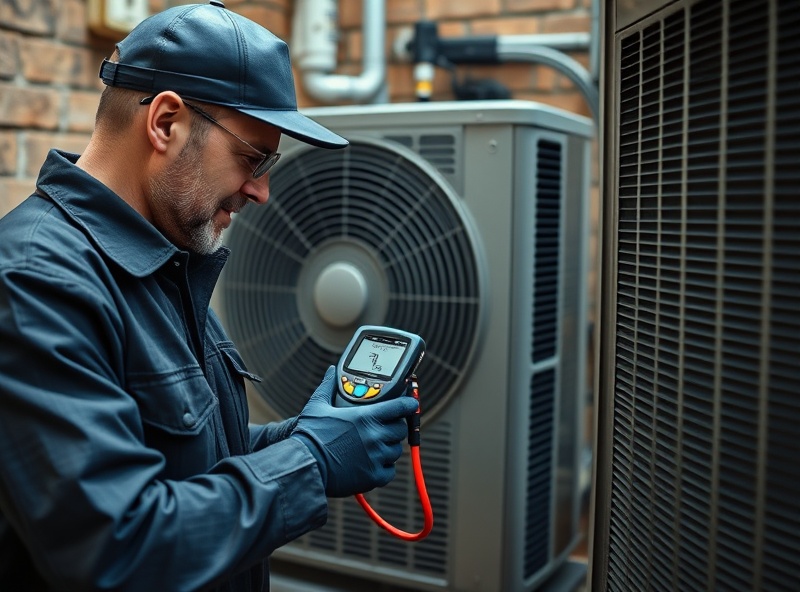
At Aviator Heating & Cooling, we invest in advanced diagnostic tools because accuracy matters. Our goal is to find the actual issue — not just temporarily mask the symptoms.
Many HVAC companies will simply add refrigerant without finding the leak. This is a quick fix that leaves you vulnerable to the same problem happening again — often within weeks or months.
Real solutions require:
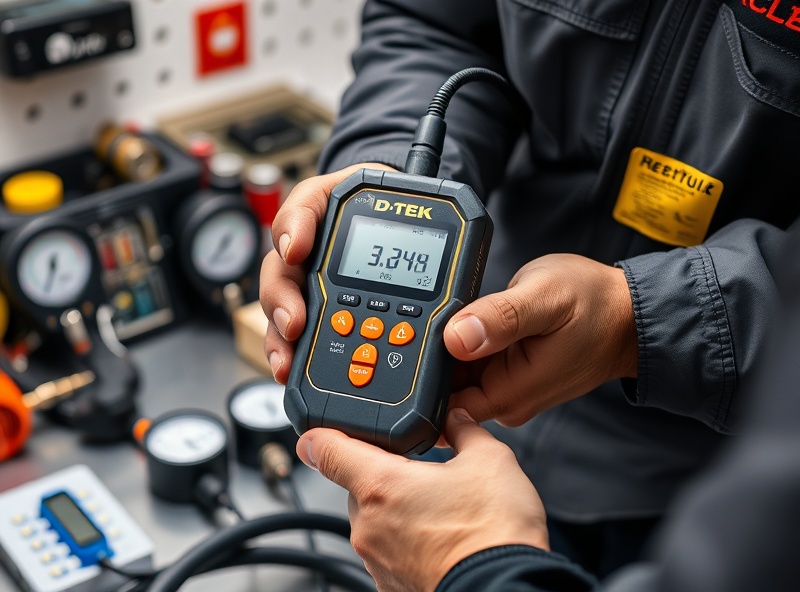
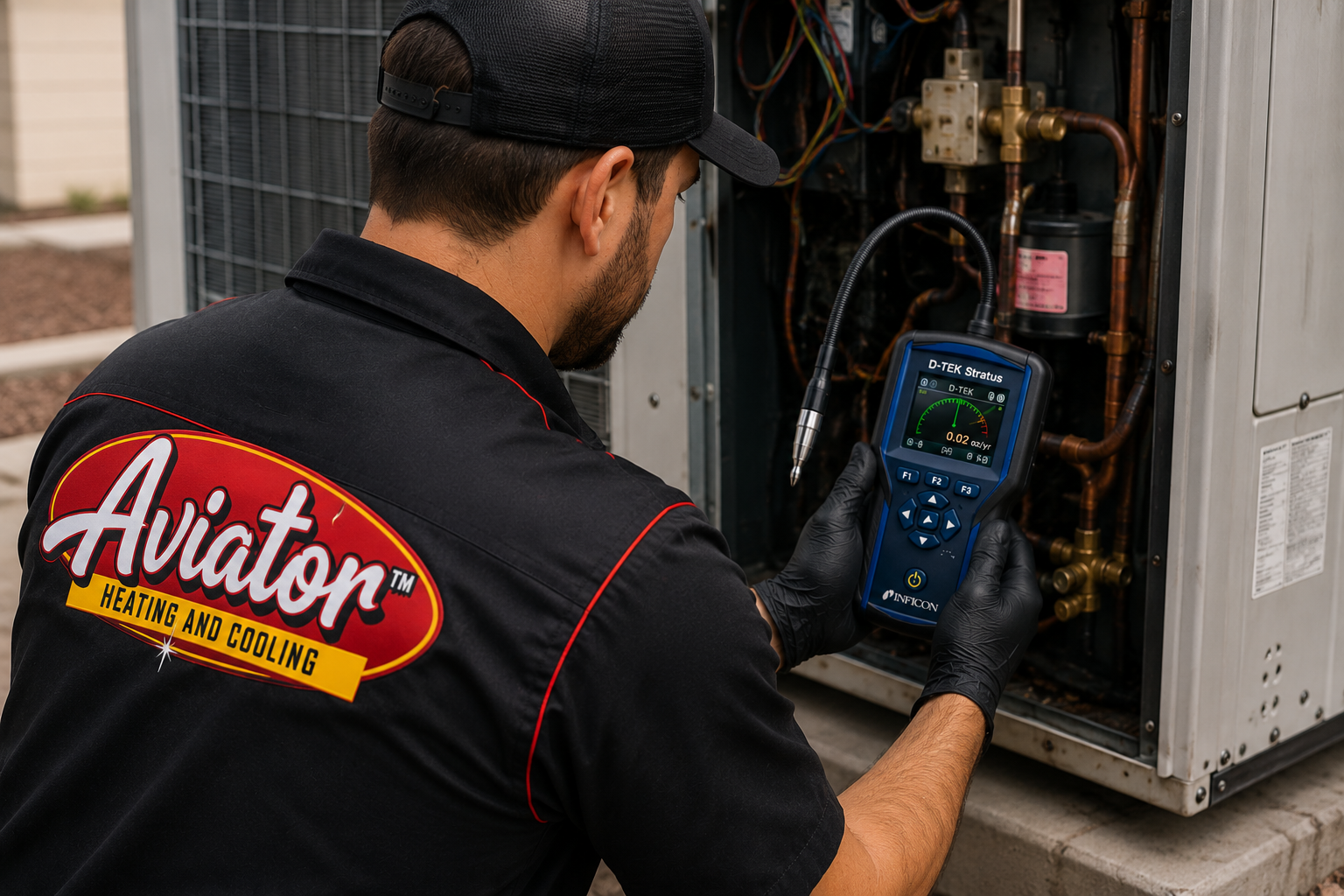
- ✓ Professional Leak Detection: Using advanced tools like the D-TEK Stratus leak detector to locate even tiny leaks other equipment would miss.
- ✓ Accurate Diagnosis: Understanding whether the leak is repairable or if the component (like a coil) needs replacement.
- ✓ Proper Repair: Fixing the actual source of the leak, not just treating the symptoms.
- ✓ System Recovery: Evacuating, repairing, and properly recharging your system with the correct amount of refrigerant.
Our Professional Leak Detection Process
When you contact Aviator Heating & Cooling for HVAC refrigerant leak repair in Portland or Beaverton, here's what you can expect:
Initial Inspection
We examine your AC unit and listen to your description of the symptoms you've noticed.
Professional Leak Detection
Using the D-TEK Stratus leak detector, we systematically check all refrigerant lines, connections, coils, and components to locate the source of the leak.
Diagnosis & Options
We explain exactly what we found, whether repair or replacement makes more sense, and what your options are.
Repair & System Recovery
We repair the leak, evacuate the system properly, and recharge it with the correct refrigerant type and amount for your specific unit.
What NOT to Do If You Suspect a Refrigerant Leak
Many homeowners try to handle refrigerant issues on their own or settle for inadequate repairs. Here's what to avoid:
-
Don't just "top off" refrigerant. This is the costliest mistake. Without fixing the leak, you'll be refilling refrigerant repeatedly, wasting money and damaging your compressor.
-
Don't ignore the warning signs. The longer you wait, the more damage occurs to your system and the more expensive the repair becomes.
-
Don't hire a technician without proper diagnostic equipment. Basic leak detection methods miss many leaks. Professional tools like the D-TEK Stratus are essential for accurate diagnosis.
-
Don't delay in contacting a professional. Every day your system runs with a refrigerant leak increases the risk of compressor failure, which can cost $1,500 to $3,000+ to replace.
Professional Leak Detection in Portland & Beaverton
If your air conditioner or heat pump may have a refrigerant leak, don't wait. Contact Aviator Heating & Cooling today for professional diagnostics and repair options.
📞 503-770-4822