As summer approaches in Vancouver, WA, your air conditioning system becomes one of the most critical comfort systems in your home. But here's the challenge: running your AC efficiently can feel like balancing comfort against rising energy bills. The good news? There are proven, practical strategies that help you keep your home cool while reducing energy consumption and environmental impact.
Energy-efficient cooling isn't just about lowering your monthly utility costs—it's about making smart investments in your home's comfort and sustainability. Whether you're looking for quick wins like filter maintenance or considering a complete system upgrade, this guide will help you understand how to maximize your AC's efficiency and take advantage of local programs designed to support Vancouver homeowners.
Why Energy Efficiency Matters in Vancouver
Vancouver, Washington experiences moderate but humid summers that can demand a lot from your AC system. During peak season, your air conditioning unit often runs for extended periods, working hard to manage not just temperature but also moisture levels. This consistent workload means your AC efficiency directly impacts both your comfort and your wallet.
An inefficient AC system wastes energy at every cycle—by running longer than necessary, cycling on and off repeatedly, and struggling against air leaks and poor insulation. This wasted energy doesn't just hurt your utility bills; it also increases strain on the electrical grid, particularly during hot days when demand peaks. When multiple homes and businesses all run inefficient systems simultaneously, it puts pressure on power infrastructure and can lead to grid stress.
By improving your AC efficiency, you're making three important contributions: reducing your own energy costs, supporting grid stability in the Vancouver area, and lowering your household's environmental footprint. Efficient cooling also tends to distribute air more evenly throughout your home, improving overall comfort and consistency from room to room. The result is better home comfort, lower bills, and peace of mind knowing you're doing your part for the local community.
Regular Maintenance for Peak Efficiency
Annual Professional Checkups
The single most important thing you can do for your AC system is schedule an annual professional maintenance visit before each cooling season. During a professional tune-up, an HVAC technician will inspect refrigerant levels, test electrical components, clean coils, check ductwork integrity, and calibrate your thermostat. They'll also identify any worn parts before they fail, preventing costly emergency repairs. In Vancouver's humid climate, professional maintenance is especially important—humidity can accelerate component wear and create conditions for mold growth in ducts and cooling coils. Annual checkups cost typically $100-$150 and can extend your AC's lifespan by years while keeping it operating at peak efficiency.
Clean or Replace Air Filters Monthly
Your air filter is the first line of defense against dust, pollen, and debris reaching your AC system's internal components. A clogged filter forces your AC to work harder to push air through, significantly reducing efficiency. During Vancouver's pollen season and high-dust periods, filters can clog quickly. Make it a habit to check your filter every month—more often if you have pets or live in a dusty area. Most standard filters should be replaced every 1-3 months depending on use and air quality. Upgrading to a MERV 11 or MERV 13 filter can improve both efficiency and air quality, though they may require slightly more frequent changes. Keeping a fresh filter is one of the easiest, most cost-effective efficiency improvements you can make.
Keep Vents and Ducts Clear for Maximum Airflow
Even a clean filter won't help if your vents are blocked or your ducts are leaking. Walk through your home and ensure all supply vents are unobstructed—don't block them with furniture or close them off in unused rooms. While closing vents might seem like it saves energy, it actually increases pressure in your ductwork and forces your AC to work harder overall, reducing efficiency. If you notice weak airflow in certain rooms or temperature imbalances between areas, you may have duct leaks or blockages. Duct sealing and cleaning by professionals can significantly improve efficiency, especially in older Vancouver homes where ductwork may have deteriorated over time. Professional duct inspection typically costs $100-$200 but can reveal efficiency losses of 15-30% that you didn't know about.
Upgrade to a Smart Thermostat
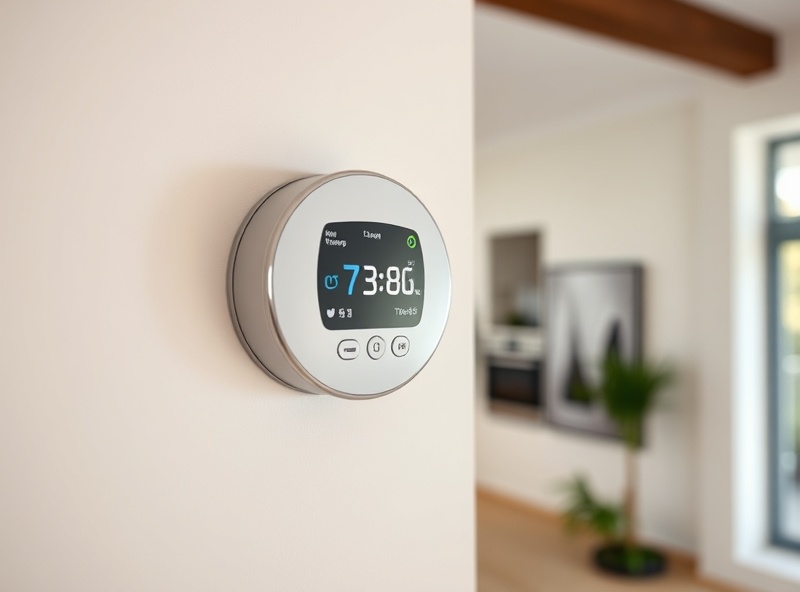
A programmable or smart thermostat is one of the most effective ways to optimize your cooling schedule and reduce energy consumption without sacrificing comfort. Unlike older manual thermostats that maintain a constant temperature 24/7, smart thermostats learn your patterns and automatically adjust temperatures when you're away or sleeping, then return to your preferred setting when you're home and active.
Popular brands available in the Vancouver area include Nest, Ecobee, Honeywell Home, and Lennox connected thermostats. Many of these systems offer learning capabilities, remote access via smartphone apps, and energy usage reports that help you understand your cooling patterns. Smart thermostats can reduce your cooling costs by 10-23% depending on how much you adjust your settings.
Local Utility Incentives for Smart Thermostat Upgrades
The City of Vancouver and local utilities like Clark Public Utilities and Portland General Electric (PGE) often offer rebates for energy-efficient thermostat upgrades. Many programs provide $25-$100 rebates when you install a qualifying smart thermostat. Some utilities also offer special rates or time-of-use programs that reward you for shifting cooling to off-peak hours. Before purchasing a smart thermostat, contact your local utility to see what programs are available. These rebates can dramatically reduce your out-of-pocket cost for the upgrade, making it one of the most affordable efficiency improvements you can make.
Seal and Insulate Your Home
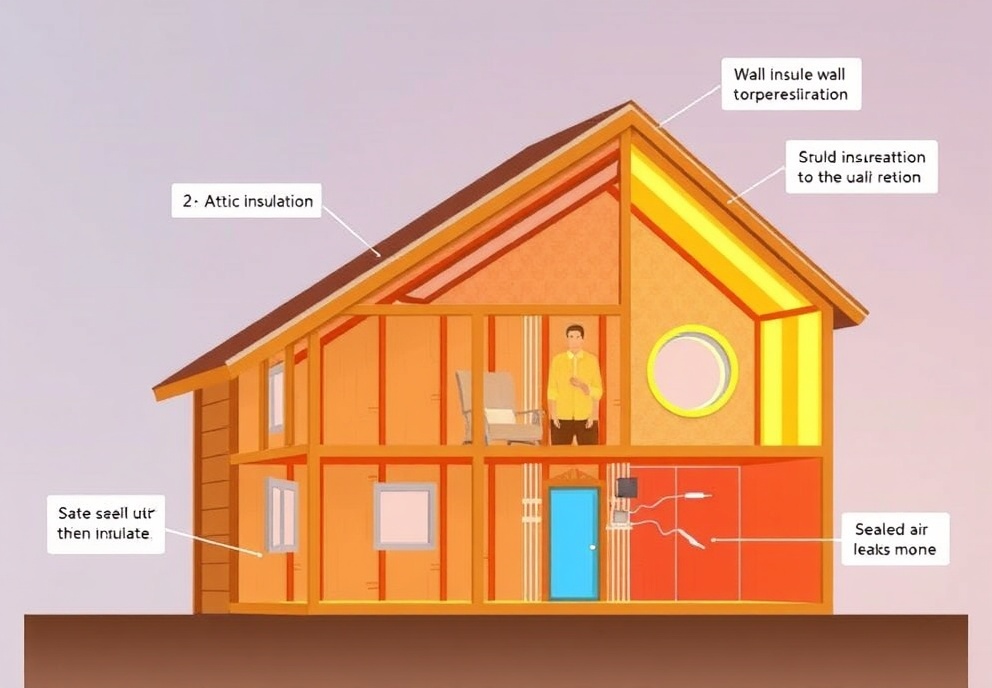
No matter how efficient your AC unit is, it can't overcome the losses from a poorly insulated home. Air leaks and inadequate insulation force your AC to work harder to maintain your desired temperature, wasting energy and driving up costs. The good news is that sealing air leaks and adding insulation can yield dramatic energy savings.
Start by identifying obvious air leaks: gaps around windows and doors, cracks in walls or foundation, and spaces where utilities enter your home. Weatherstripping and caulk are inexpensive, easy fixes. Next, examine your attic insulation—many Vancouver-area homes lack adequate attic insulation. The recommended R-value for attic insulation in the Pacific Northwest is R-38 to R-60 depending on your specific location. Adding insulation to your attic can reduce cooling costs by 10-15%.
Recommended Insulation Types for Vancouver Homes
- • Fiberglass Batts: Most common and affordable, easy to install as a DIY project, suitable for attics and walls. R-value of 3.2-3.8 per inch.
- • Blown-in Cellulose: Excellent for attics and hard-to-reach areas, settles over time, provides good air sealing. R-value of 3.5-3.8 per inch.
- • Spray Foam: Premium option with superior air-sealing properties, excellent for sealing gaps and difficult areas, higher cost but best performance.
- • Rigid Foam Boards: Good for basement rim joists and foundation areas, higher R-value per inch, excellent moisture resistance for Vancouver's climate.
Energy Audits Available in Vancouver
Many utilities and local energy programs offer affordable or free home energy audits that identify exactly where you're losing energy. These audits use thermal imaging to pinpoint air leaks, test your home's tightness, and provide specific recommendations. Some programs even offer rebates for improvements identified in audits. Contact your local utility or search for "energy audit programs near me" to find options in your area.
Invest in an Energy-Efficient AC Unit
If your current AC unit is aging or inefficient, upgrading to a modern, energy-efficient system can reduce your cooling costs by 20-40%. The efficiency of air conditioning systems is measured by SEER (Seasonal Energy Efficiency Ratio), a rating that reflects how much cooling output you get per unit of electricity consumed.
Understanding SEER Ratings
- • SEER 14-16: Standard modern efficiency, significant upgrade from units over 10 years old
- • SEER 16-18: High-efficiency models, typically offer 15-20% energy savings compared to minimum standards
- • SEER 19+: Ultra-high-efficiency premium systems, maximum energy savings, often paired with variable-speed compressors and advanced controls
As an example, upgrading from a SEER 10 unit (common in 15+ year old systems) to a SEER 16 unit would reduce your cooling energy consumption by approximately 37%, translating to hundreds of dollars in annual savings for many Vancouver homeowners.
Local Rebates and Incentive Programs
Several programs support Vancouver-area homeowners upgrading to energy-efficient AC systems. The Washington State Energy Office, local utilities, and manufacturer programs frequently offer rebates ranging from $500 to $2,000 for qualifying high-efficiency equipment. Additionally, federal tax credits may be available for certain upgrades. When you're considering a new system, always ask your HVAC contractor about available rebates—many can help you navigate the application process and apply discounts directly to your invoice.
Use Fans and Shade to Support Your AC
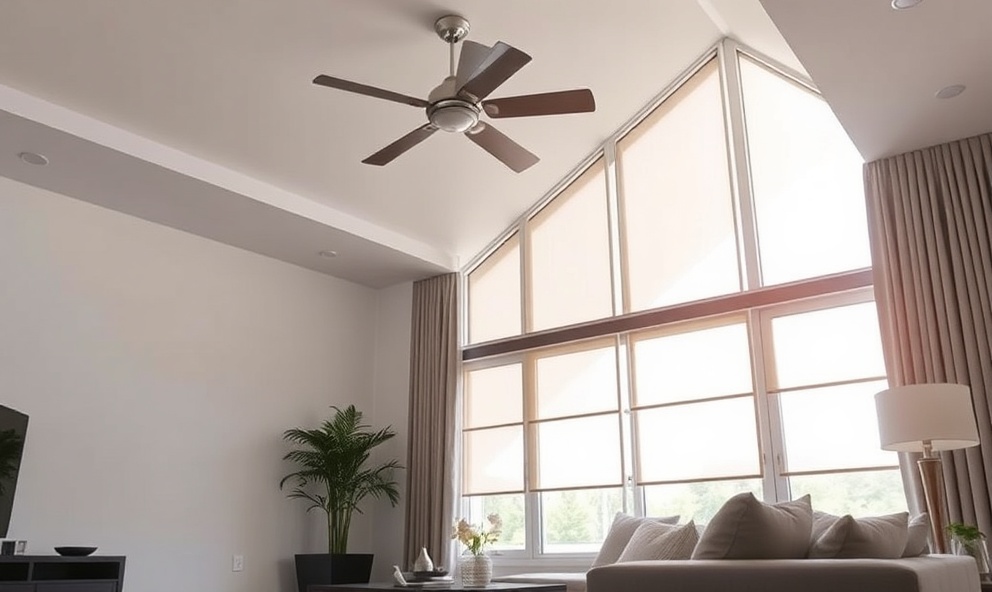
While your AC system handles the heavy lifting of cooling your home, fans and strategic shading can dramatically reduce the workload and improve comfort with minimal energy use. Ceiling fans use about 25 times less energy than air conditioning while providing noticeable air circulation and comfort.
Run ceiling fans counterclockwise during summer to push cool air downward. Fans don't actually lower temperature, but they create air movement that makes spaces feel cooler, allowing you to set your thermostat a few degrees higher without sacrificing comfort. This alone can save 3-5% on your cooling costs.
External shading—trees, awnings, shade screens, or thermal curtains—prevents solar heat gain from ever reaching your home's interior. West and south-facing windows receive the most intense summer sun. Even 50% reduction in direct sun through windows can reduce cooling loads by 10-15%.
Practical Shading Solutions
- • Trees and Landscaping: Planting deciduous trees on the west and south sides of your home provides summer shade while allowing winter sun through in cooler months. Trees also improve neighborhood aesthetics and air quality.
- • Exterior Awnings: Retractable or fixed awnings over windows and patios can reduce heat gain by 60-75%. They're also attractive architectural features that enhance curb appeal.
- • Thermal Curtains and Cellular Shades: Interior shading provides some benefit, though external shading is more effective. Thermal curtains also provide winter insulation, making them year-round energy savers.
- • Shade Screens: External screens or mesh shading allow light through while blocking heat gain. They're less visually intrusive than awnings and work well for nearly all window types.
Consider Ductless Mini-Splits
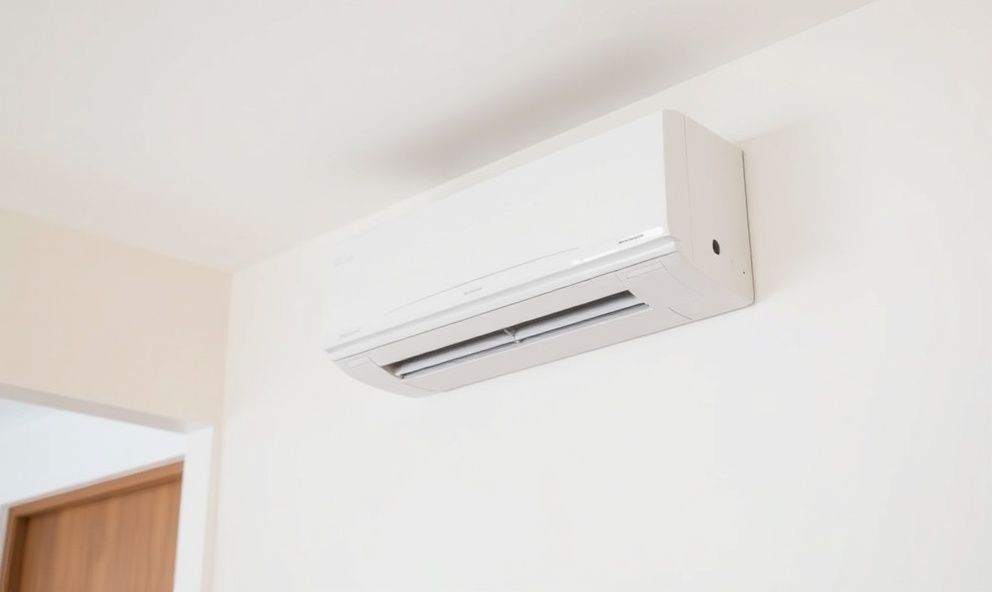
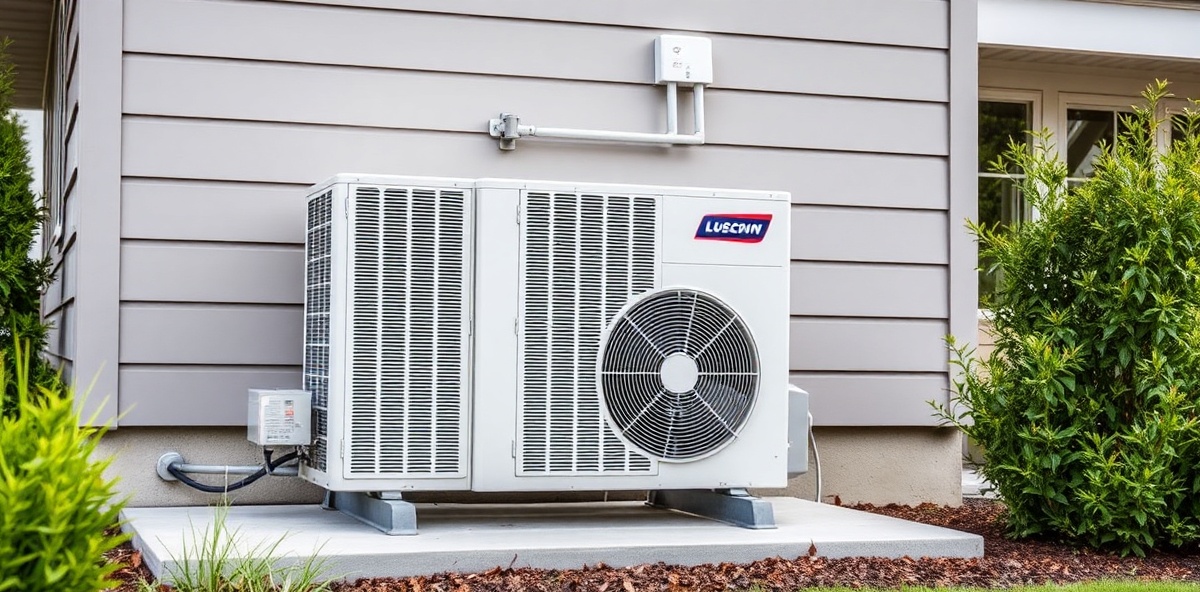
Ductless mini-split systems represent cutting-edge efficiency technology, particularly well-suited for Vancouver's climate and housing stock. These systems consist of an outdoor compressor unit connected to one or more indoor air-handling units via small refrigerant lines, eliminating the need for extensive ductwork.
Mini-splits typically achieve SEER ratings of 17-22, significantly higher than traditional ducted systems. They eliminate duct losses (which can account for 20-30% of energy waste in traditional systems), provide precise zone control for targeted cooling, and operate more quietly than window units or traditional systems. Many modern mini-splits include heat pump capability, providing both heating and cooling in one system.
Why Mini-Splits Are Great for Certain Vancouver Homes
- • Older homes: Homes built before air conditioning became standard often lack ducting or have inadequate ductwork. Mini-splits provide efficient cooling without expensive duct installation.
- • Smaller homes and apartments: Single or dual-zone mini-splits are cost-effective solutions for homes under 1,500 square feet.
- • Additions and renovations: Adding cooling to a bonus room or addition is straightforward with a mini-split, avoiding expensive ductwork modifications.
- • Homes with zoning needs: If different family members prefer different temperatures, multi-zone mini-splits allow independent control while maintaining high efficiency.
Cost Considerations
While mini-split installation costs more upfront than traditional window units, they cost less than installing new central AC with ducting. For many Vancouver homeowners, the superior efficiency, comfort, and long-term operating cost savings justify the investment. Professional installation is essential for optimal performance, and many contractors offer flexible financing options.
Local Incentives and Programs
Vancouver, Washington residents have access to multiple incentive programs designed to support energy-efficient upgrades:
Clark Public Utilities Energy Programs
Clark Public Utilities offers rebates for energy-efficient HVAC equipment, including air conditioners and heat pumps. Their incentive programs can provide hundreds of dollars in rebates for qualifying installations. They also offer no-cost energy audits to identify your home's biggest efficiency opportunities. Visit their website or call for current program details and eligibility requirements.
Portland General Electric (PGE) Programs
If your home is served by PGE, they offer various rebates and incentives for energy-efficient heating and cooling upgrades, including smart thermostats and high-efficiency air conditioning systems. Their WeatherizationPlus program can help fund insulation and air-sealing improvements. Contact PGE to learn about programs available in your area.
Washington State Energy Office Incentives
The Washington State Energy Office administers several programs supporting residential energy efficiency improvements. These include rebates for HVAC upgrades, federal tax credits for certain improvements, and information on low-interest financing options. Their website provides details on currently available programs.
Manufacturer Rebates
Major manufacturers like Lennox, Carrier, Trane, and Goodman regularly offer rebates for their energy-efficient equipment. These rebates can be substantial—often $500-$2,000 depending on the equipment selected. Always ask your contractor about current manufacturer promotions, as they change seasonally.
Start Your Energy Efficiency Journey Today
Energy efficiency isn't an all-or-nothing proposition. You don't need to implement every strategy at once. Whether you start with simple maintenance tasks, invest in a smart thermostat, seal air leaks, upgrade to an efficient unit, or explore mini-split technology, each step reduces your cooling costs and environmental impact. Many improvements pay for themselves through utility savings within a few years.
The key is to start somewhere—even small improvements compound over time. A well-maintained system runs more efficiently. Proper insulation and sealing make every other improvement more effective. A smart thermostat optimizes even an older AC system. And when it's time to replace your unit, choosing high efficiency means you'll enjoy maximum performance and minimum operating costs for years to come.
Vancouver's climate, available rebate programs, and the importance of energy efficiency make now the perfect time to evaluate your cooling situation and make improvements. Whether you're looking for quick wins or planning a major upgrade, professional guidance can help you choose the right combination of improvements for your home and budget.
Ready to Optimize Your AC Efficiency?
Aviator Heating & Cooling is your trusted partner for energy-efficient cooling solutions in Vancouver, WA. Whether you need a professional maintenance check, thermostat upgrade, duct sealing, or a complete system replacement, our expert technicians will help you maximize efficiency and comfort while minimizing your cooling costs.
Contact us for a free energy-efficiency consultation and discover exactly how much you could save with the right improvements for your home.